 Erin_oldchair2 |  dreamstime_m_12010960_young female cabinet maker | 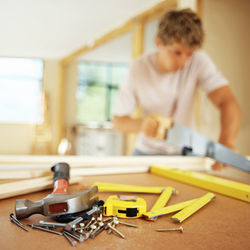 Carpenter Tools |
|---|---|---|
 dreamstimesmall_100305899 |

Our Industries - Sustainable Furnishings s
Furnishing and Other Manufacturing
-
Glass and Glass Products Manufacturing and Installation
-
Manufacturing: Windows and Doors, Cabinetry and Furniture, Blinds and Screens
-
Manufacturing and Installations: Flooring, Kitchen and Bathroom Cabinetry
-
Niche Wood Processing: Coopering, Picture Framing, Instrument Making, Piano Tuning, Coffins
-
Upholstery including mattress manufacturing
-
Interior Design and Decoration
Western Australia’s manufacturing sectors for windows and doors, cabinetry and furniture, and blinds and screens, glass and glazing, upholstery and flooring are closely tied to the state’s construction, renovation, and interior design markets.
Windows and Doors manufacturing includes aluminium, timber, PVC, and composite products for residential, commercial, and industrial applications. It is driven by building activity, energy - efficiency requirements, and architectural design trends. The sector is dominated by small to medium enterprises, with some large - scale producers supplying prefabricated systems.
Cabinetry and Furniture manufacturing covers kitchens, bathrooms, built - in storage, and bespoke or mass - produced furniture. Most businesses are small, specialising in custom joinery and design. Demand is fuelled by housing developments, renovations, and high - end fit outs.
Blinds and Screens manufacturing produces indoor and outdoor shading systems, insect screens, and security screens. The sector blends manual craftsmanship with automated production, focusing on custom solutions for WA’s climate.
Across all three sectors, the workforce is trade - skilled, predominantly male, and reliant on carpentry, metal fabrication, and finishing expertise. Key challenges include skills shortages, high material costs, and competition from imports. Opportunities lie in sustainable manufacturing, smart home integration, and precision fabrication technologies to enhance efficiency and product quality.
Upholsterers in WA create, repair, and restore furniture by fitting padding and fabric or leather coverings. They work on custom, antique, and commercial pieces, using specialised tools and techniques. Most gain skills through a Certificate III in Upholstery or hands - on training in workshops or manufacturing setting.
Western Australia’s flooring sector supplies and installs materials such as carpet, timber, vinyl, laminate, and tiles for residential, commercial, and industrial projects. The workforce is predominantly male, skilled in subfloor preparation, material cutting, installation, and finishing, often trained via a Certificate III in Flooring Technology. Demand is driven by housing trends, commercial fit - outs, and design preferences, with growing interest in sustainable and modular flooring solutions.
Western Australia’s glass sector includes manufacturing, glazing, and recycling, supporting construction and packaging industries. Mostly made up of small to medium businesses, it relies on skilled workers in cutting, tempering, and installation. Key drivers include sustainable design and recycling, while challenges include import reliance and interstate competition.
Key roles shaping Western Australia’s Furnishing and Other Manufacturing sectors
Workforce Demographics and Key Factors influencing the workforce
-
According to the 2021 Census, about 1,800 workers in WA are employed as Wood and Wood Products Factory Workers—part of ANZSCO 839413—which accounts for ~8.6% of this national occupation group
-
The median age of those workers is 33 years, and only ~8% are female—indicating a young, heavily male - skewed workforce
-
Overall, the number of jobs in timber and furniture manufacturing has declined due to mechanization, resource constraints, and the closure of native timber operations.
-
Firms increasingly require advanced skills in CNC machining, digital design, sustainability accreditation (e.g., FSC/PEFC), and timber certification standards.
-
High geographic isolation and fragmented SME operations limit economies of scale. This constrains workforce growth, training capacity, and coordination activities across the sector
-
The upholstery industry is characterised by many small, locally owned businesses with limited scale and high dependency on custom orders and local demand
-
The skill and labour challenges include a shortage of qualified upholsterers and tradespeople, compounded by ageing workforce and difficulty finding new apprentices
-
Rising consumer interest in furniture repair, reuse, and bespoke craftsmanship is increasing demand for upholstery services, supporting upcycling businesses
-
There is a growing need for digital literacy, CNC machinery skills, and advanced upholstery techniques, though formal training packages are limited.
Cabinet Making
-
Across Australia, there are approximately 32,300 employed cabinetmakers, with a median age of 35 and just over 5% female representation in the occupation. While state - specific data isn't published, WA likely reflects similar demographics—male - dominated, early - to - mid - career age distribution, and largely employed in small workshops or local SMEs.
-
Work is typically carried out in small - scale workshops or local factories, often family - run or micro - enterprises. Some larger facilities use CNC and automation technologies.
-
Cabinetmaking involves precision woodworking, manual tools, and increasingly computer - aided machinery. Work environments can be noisy, dusty, and may involve hazardous glues and finishes. Protective gear is commonly required
-
Entry is primarily via apprenticeships or vocational training (Cert II–III in Cabinetmaking/Furniture Making), with strong reliance on hands - on learning in small businesses.
-
Competition from imported, mass - produced furniture and fluctuating timber supply impact local job growth. Demand is stronger in custom or value - added niche production.
-
The broader manufacturing decline nationally in the year to June 2024 reflects challenges recruiting and retaining skilled tradespeople, notably younger entrants and females.
Glass and Glazing
-
Glaziers make up approximately 11,500 employees nationwide in 2024, with 18.3% based in WA, suggesting around 2,100 workers in the state.
-
Glazier apprentices typically complete a Certificate III in Glass and Glazing over 3 years.
-
Includes both on - site installation (e.g. doors, shopfronts) and workshop fabrication, with physical demands such as working at heights, precision and strength
-
Demand has shifted toward prefabricated window and door systems, reducing traditional glazing roles in new housing, with stronger activity in commercial and institutional projects
-
Members of the Australian Glass & Window Association (AGWA)—comprising over 1,000 businesses—adhere to technical, safety and ethical standards, supported by training, WHS accreditation, and industry events
-
The industry relies on apprenticeship pathways but faces competition for recruits and retention issues; small employer size limits in - house training capacity. Aging workforce and attracting younger entrants remain ongoing challenges.
Flooring
-
Floor finishers and installers are part of WA’s construction trade workforce. As of mid - 2024, WA employed around 136,000 construction workers, including specialized roles such as floor coverers and painting tradespeople. While specific age breakdowns for flooring roles aren’t published by WA, similar construction trades typically feature a median age in the late 30s to early 40s.
-
These roles are predominantly held by males due to the trade - intensive nature of the work. Women represent a small minority within floor finishing roles, in line with broader construction trades across Australia
-
Many installers work for small to medium enterprises or operate as independent contractors, serving residential, commercial, and industrial sectors.
-
The flooring sector tracks with broader construction trends—housing starts, and commercial development directly affect flooring work volume. WA construction employment has remained stable but growth - constrained relative to national Levels
-
Recruitment is competitive amid widespread trade shortages. Formal vocational pathways (e.g., Certificates II–IV in Floor Finishing or Painting Trades) exist but many skills are acquired on - the - job.
Training Package
MSF Furnishing Training Package
Most Popular Qualifications
-
Certificate II in Furniture Making Pathways
-
Certificate III in Cabinet Making
-
Diploma of Interior Design
-
Certificate II in Furniture Making
-
Certificate III in Glass and Glazing
Declared Apprenticeships and Traineeships
-
Furnishing (Polishing) (Level 2) - MSF20122 Certificate II in Furnishing
-
Furniture Making (Level 2) - MSF20322 Certificate II in Cabinet Making and Timber Technology
-
Aluminium Windows and Frames (Level 2) - MSF20413 Certificate II in Glass and Glazing
-
Glass and Glazing (Level 2) - MSF20413 Certificate II in Glass and Glazing
-
Timber Furniture Finisher - MSF30122 Certificate III in Furniture Finishing
-
Cabinet Maker - MSF30322 Certificate III in Cabinet Making and Timber Technology
-
Furniture Maker - MSF30322 Certificate III in Cabinet Making and Timber Technology
-
Wood Machinist - MSF30322 Certificate III in Cabinet Making and Timber Technology
-
Glazier and Glass Processor - MSF30422 Certificate III in Glass and Glazing
-
Picture Framing (Level 3) - MSF30518 Certificate III in Picture Framing
-
Upholsterer - MSF30722 Certificate III in Upholstery
-
Floorcovering - MSF30822 Certificate III in Flooring Technology
-
Interior Design - Retail Services (Level 3) - MSF31018 Certificate III in Interior Decoration Retail Services
-
Designer (Kitchens, Bathrooms and Interior Spaces) - MSF40318 Certificate IV in Kitchen and Bathroom Design
To find course lists, please click here
Want to know more?
The FFTITC team has a lot of information and knowledge about industries under their coverage. Please email us or give us a call on 08 9361 2800.